
Maps for disorientation and detours: the ORLANDO Festival 2026 returns
There is a term in landscape architecture that describes unofficial paths — those trails that form on the ground when people choose not to follow predetermined routes. They are called “desire lines.” It is from this image that Festival ORLANDO builds its thirteenth edition, scheduled in Bergamo from May 5 to 10, 2026: an invitation to deviate, to become disoriented, to draw new maps in the territory of affectivity and sexuality.
This year’s theme is that of sex-affective geographies: a concept that almost sounds like a new school subject, and not by chance. In a political context that hinders debate around consent, affectivity, and sexuality — between ministerial decrees on sex education in schools and an increasingly hostile cultural climate toward queer subjectivities — the Festival responds with art, bodies, images, and words.
Festival ORLANDO goes beyond being a mere program; it aims to be a platform for encounter, dialogue, and discussion about what it means to be bodies and, therefore, to fully embrace the intimate, affective, and pleasurable dimensions that follow. Disorientation is framed as an antidote to the limited sexual orientations permitted by normative frameworks; deviation becomes a way to restore power to communities that have long been labeled as deviant and that, through deviation, have opened up alternatives.
This year more than ever it is necessary to be present through a cultural device such as the Festival, in order to take an increasingly clear stance against the erosion of rights. We intend to take responsibility for the questions and needs of younger generations in matters of affectivity and sexuality. We want to do so by exploring new ways of orienting ourselves in the world and by seeking possible deviations from directions that are taken for granted.
More than twenty events spread across ten venues in the city, involving around thirty artists: the ORLANDO 2026 program is dense and diverse in both artistic formats and moments of critical reflection.
Opening the Festival on Tuesday, May 5, is the national premiere of Precarious Moves by Michael Turinsky, a Viennese choreographer and performer with a motor disability. The work is a biographical and conceptual solo that interrogates the body when its relationship with the surrounding world appears precarious and vulnerable. It is not only dance: it is embodied philosophy, a political reflection on movement as resistance.
On the side of historical memory, Gioele Peressini presents La forma del maschio, a performance in two showings on May 8 that investigates non-conforming masculinities during Fascism — those bodies that escaped the virile, warrior-like, normative model and that official history has left at its margins. Judicial documents, oral sources, archival materials: Peressini creates space for those who have been erased.
HIV, illness as testament, the body that resists and dances: this is the terrain of Fuck Me Blind by Matteo Sedda, a Sardinian choreographer based in Brussels. Inspired by Blue by Derek Jarman — the testament film shot when Jarman was losing his sight due to AIDS — the work creates a hypnotic choreography with two performers who spin endlessly until they intertwine. On Wednesday, May 6, a talk with the Conigli Bianchi collective follows.
One of the most anticipated interventions of this edition is undoubtedly Sottobanco_ scuola autogestita di educazione sessuo-affettiva, the performative installation commissioned to Tea Andreoletti, which will occupy Piazza della Libertà on May 9 and 10. The title says it all: it was born in response to a decree that conditions sex-affective education in schools by requiring parental consent. Andreoletti overturns it, transforming the square into a self-managed school where adolescents themselves — engaged earlier through a project in Clusone and Romano di Lombardia — teach their own strategies for relating to emotions, pleasure, and gender identity.
It continues a Festival tradition: each year, a “fantastical institution” appears in the square. After Un’Anagrafe Fantastica in 2024 and the Ministry of Failure in 2025, Sottobanco may be the most direct — and most necessary — gesture yet.
Among the performative readings are Un insieme di risvegli by Giulia Scotti — texts developed in dialogue with workers from anti-violence centers in Bergamo, starting from the case of Gisèle Pelicot — and Woke! Contro la nuova grammatica reazionaria, a production by Sherocco Festival that closes the Festival on Sunday, May 10 with an analysis of authoritarian rhetorics that, from Trump to Meloni, have turned minorities into the number one enemy.
There is also space for magic: Carmen Pellegrinelli leads the workshop Magia Lesbica on May 6 and 7, exploring the connection between witchcraft and lesbianism as practices of resistance to hetero-patriarchal capitalism. Diana Anselmo returns to the Festival with Pas Moi, the final chapter of a research project on deafness and the audist violence that has shaped the history of sound recording.
These and other events make Festival ORLANDO an important stronghold for the defense of rights through artistic practice. It is also a space of relative privilege within the global geopolitical context — but perhaps one capable of fostering responsibility toward the changes that still require action.
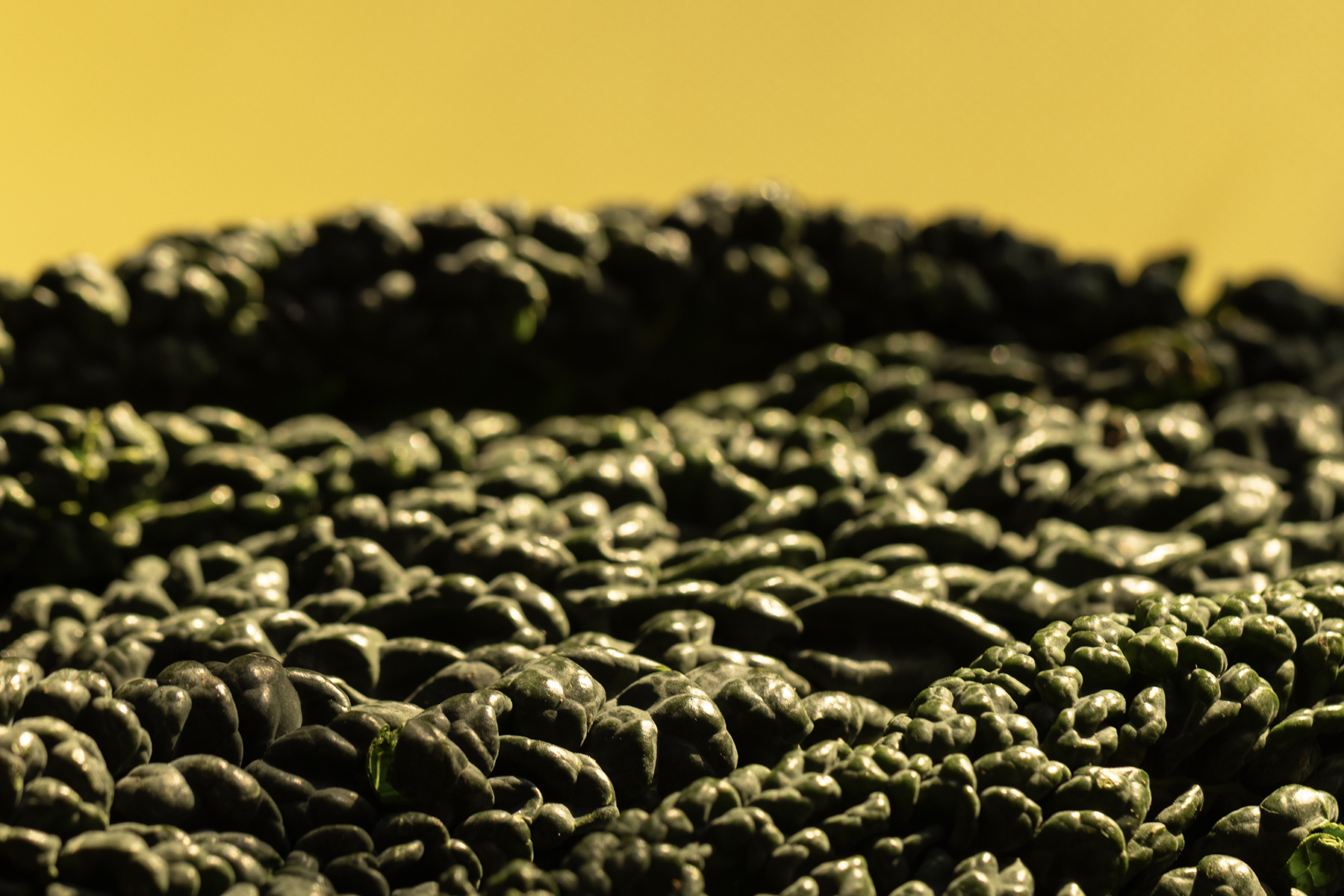
The photograph is one of the images created by Beatrice Arenella for Festival ORLANDO 2026.