
Designing inclusion: the new master’s degree
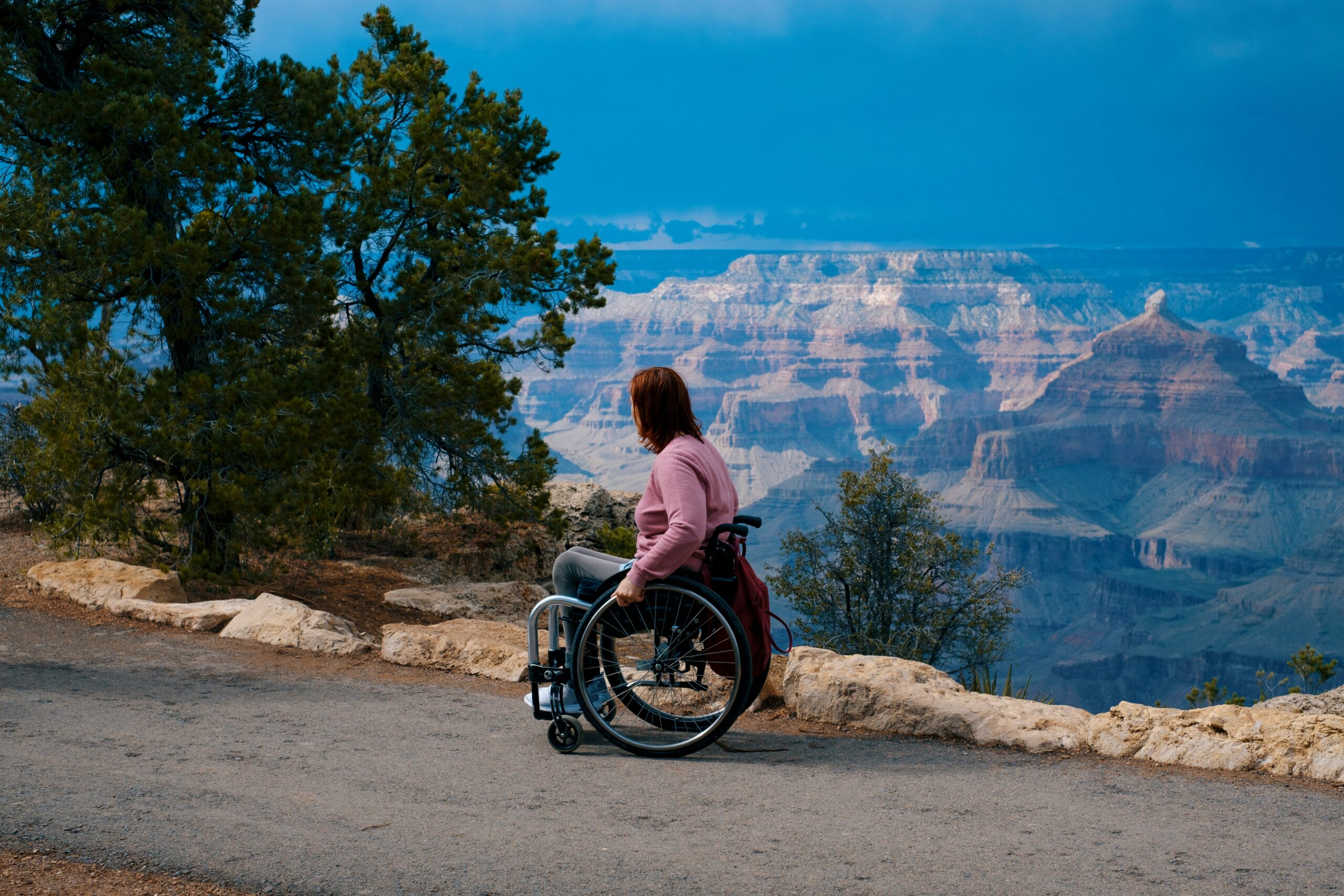
Accessibility is no longer just a technical requirement to be met afterward, but a cultural principle that must guide the design of spaces, services, products, and social practices from the very beginning. This is the perspective behind the new joint master’s degree in Designing Accessible and Inclusive Living Environments, offered by the University of Bergamo and the University of Salento, the only program of its kind in Italy.
The new program is born within an international and national framework that in recent years has recognized accessibility as an essential condition for equity, independent living, and social justice: from the UN Convention on the Rights of Persons with Disabilities (2006) to the 2030 Agenda for Sustainable Development, up to the most recent European and Italian regulations, such as the European Accessibility Act and Legislative Decree 62/2024. These regulatory instruments encourage moving beyond the logic of exemptions and ex-post interventions, promoting instead a design approach that includes the plurality of human functioning from the very initial planning phase.
The degree program stands out for its strongly interdisciplinary approach: it integrates pedagogical, social, legal, economic, and technological knowledge, with particular attention to assistive and digital technologies—fundamental tools to ensure autonomy and participation. The curriculum is built according to the EduNext model: seven educational clusters that intertwine theory, applied skills, and transversal abilities such as communication, problem-solving, and decision-making. Online lectures and interactive activities are complemented by intensive in-person workshops, where students will work alongside people with disabilities, institutions, businesses, and communities.
«Being part of this project means having a strong feeling of being able to contribute to building a great change at the level of society and communities, a change in attitudes, perspectives, and concretely realized processes - explains Serenella Besio, professor of Special Pedagogy and Rector’s Delegate for Disability and Diversity Policies at the University of Bergamo - With the shared goal of promoting the participation of everyone, of welcoming and valuing differences among people, of weaving new, mutually attentive and respectful relationships. It is a beautiful feeling that recharges hope». Alongside the methodological dimension, the course also features practical aspects designed to ensure flexibility and support the balance between study, work, and personal life. The activities are organized through live theoretical lessons, on-demand video lectures, interactive and collaborative online pathways, open courses, and intensive in-person periods. This structure proves particularly suitable for those who already work or come from different backgrounds but want to enrich their education with an inclusive approach.
The curriculum focuses on innovative and strategic disciplines such as methods and tools for analyzing people with different types of disabilities, pedagogy of active aging, accessibility and urban planning, economic sustainability of assistive technology interventions, and robotics in the service of inclusion. This mix of knowledge responds to concrete challenges and prepares students for emerging professional roles.
The modular structure of the program also allows students to earn Open Badges, digital certifications recognized and valid across Europe, traceable according to international standards. This system enhances targeted skills and helps build a personalized curriculum.
More than an academic innovation, this course aims to be a cultural driver: it trains a new professional profile, the inclusion designer, and helps spread a vision of accessibility as a strategic lever for innovation, democracy, and sustainable development. In other words, not a mere accessory addition, but a foundational condition to build living environments where all people can fully participate.