
Bullying at school: educating for respect and responsibility through restorative mediation
To counter the spread of bullying, it is essential to raise awareness among students and prevent the recurrence of violence. One possible approach is restorative mediation in schools: an educational method that does not aim to identify a culprit or minimize conflict, but rather to rebuild damaged relationships by involving victims and those responsible through training pathways guided by experts and qualified professionals. This approach provides young people with spaces for listening and encourages those who have caused harm to take responsibility.
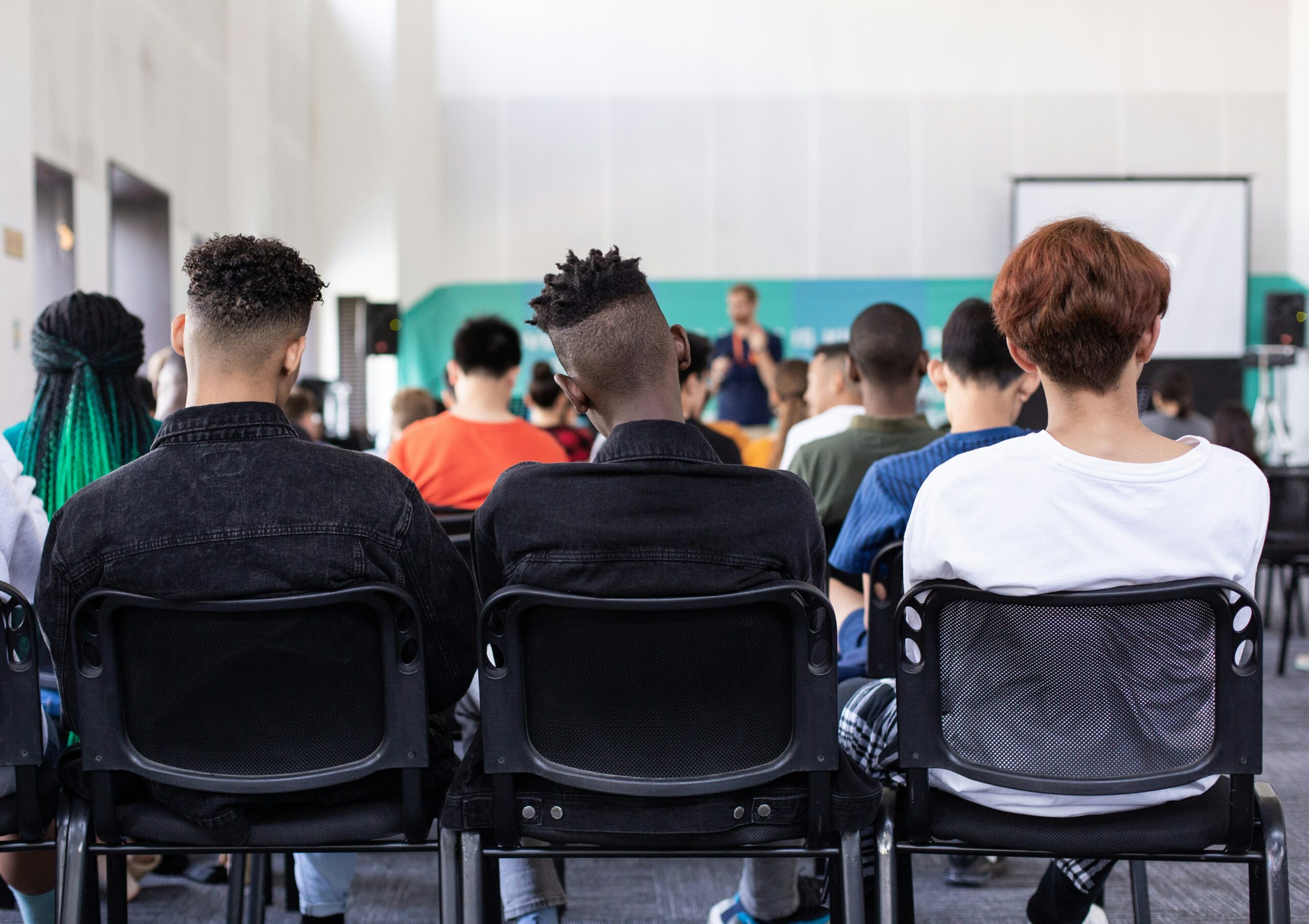
It is from this awareness that the third event of the School Project by Fondazione Conad ETS (implemented by Unisona and supported by the Ministero dell’Istruzione e del Merito and the Città di Milano) was created, entitled Bullying – Recognize, Take Responsibility, Rebuild. Restorative Mediation in Schools. The initiative involved 67,000 students from 426 upper secondary schools across 283 cities. Each year, the School Project reaches hundreds of thousands of young people throughout Italy, offering free live-streamed meetings and teaching materials on major social and civic issues. The same approach was adopted for the event dedicated to bullying, broadcast nationwide via live streaming and preceded by the distribution of educational materials to encourage classroom discussion and reflection both before and after the event.
“The school is the first place where not only skills are developed, but also a sense of justice, responsibility, and civic coexistence. For the Foundation, investing in awareness and information for new generations means helping young people better understand the complexity of many dynamics they experience in their daily lives. Addressing bullying today means talking about human dignity, relationships, and the future,” stated Maria Cristina Alfieri, Secretary General and Director of Fondazione Conad ETS.
The event was moderated by journalist Elisabetta Soglio (editor of Buone Notizie – L’impresa del bene of the Corriere della Sera). Speakers included Gherardo Colombo (magistrate and president of the Associazione Sulleregole), Roberto Cornelli (Full Professor of Criminology at the Università degli Studi di Milano), and Federica Brunelli (mediator and expert in restorative justice programs). Through legal analyses, practical examples, and educational reflections, the speakers demonstrated how restorative mediation can become an effective tool for preventing and addressing bullying.
During the meeting, Matteo Maria Zuppi, President of the Conferenza Episcopale Italiana, also spoke, inviting participants to view bullying as a wound often rooted in indifference and loneliness. The Cardinal emphasized that indifference is not merely an absence, but a deliberate behavior that isolates and amplifies the suffering of those who are targeted. For this reason, he encouraged all participants—and beyond—to recognize school as the first place where people learn to build bridges, transforming conflict into an opportunity for encounter, shared responsibility, and growth.
“With this meeting, we aimed to provide students with cultural and educational tools to understand behaviors that harm human dignity and generate exclusion and suffering, and to recognize their impact. The goal is to move beyond a purely punitive logic and foster paths of responsibility, reparation, and both personal and collective growth,” Alfieri added.
Confirming the commitment of the Conad system, its cooperatives and members offered some schools the opportunity to follow the event from movie theaters or school auditoriums in their local areas. In addition, during the live broadcast, several live polls were conducted to gather students’ opinions on the topics discussed, giving space and voice to younger generations. These reflections transformed the event into a genuine moment of collective participation, offering a snapshot of young people’s perceptions regarding the relational climate in schools and educational models for preventing violence. At the end of the event, Ipsos administered a questionnaire to further explore students’ perspectives: the collected data will form a privileged observatory on the relationship between young people, relationships, and the responsibilities of educational institutions.
(photo credit: Sam Balye on Unsplash)