
Mental health in the workplace: State Street Bank’s program to combat stigma
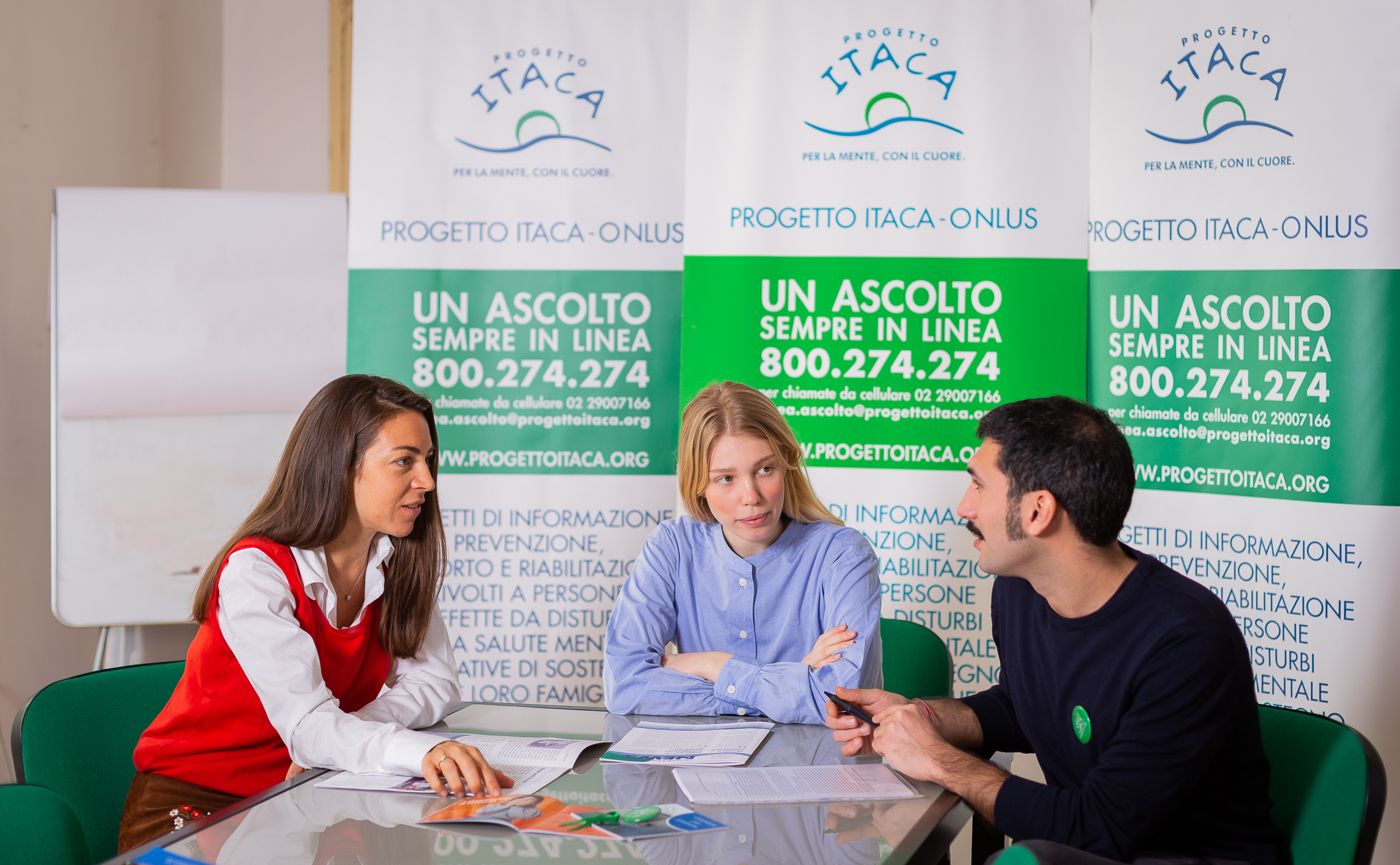
A journey of learning, awareness, and advocacy, structured around four meetings between experts and employees, designed to explore what it means to talk about mental health today and how stigma can be challenged. This is how State Street Bank chose to address a topic that is as sensitive as it is fundamental to everyone’s well-being, through a collaboration with Progetto Itaca, an organization founded in Milan in 1999 by a group of people living with psychiatric disorders and their family members, which has since grown into a nationwide network with branches across Italy.
“The project stemmed from a very concrete need that emerged at the end of 2024, following several serious news events in which mental illness was often cited as an explanation—or even a justification—for violent behavior,” explains Giovanna Gillio, Officer and coordinator of the BeWell program at State Street Bank. “This simplified and dangerous narrative risked fueling stigma, fear, and confusion rather than understanding.”
The desire to move beyond alarmism through knowledge and reflection gave rise to a program that resonated strongly across the organization. “At State Street Bank, we asked ourselves how these stories should really be interpreted and what responsibility a company might have in contributing to a more accurate and informed narrative around mental health,” Gillio continues. It was at this point that the bank reached out to Francesco Baglioni, Director of Progetto Itaca.
“We first asked him for help in interpreting those events—not to find immediate answers, but to learn how to ask the right questions.” From that initial discussion emerged a series of four sessions, developed jointly with Progetto Itaca and supported by the University of Milano-Bicocca. “It was a journey of awareness,” Gillio explains, “beginning with the fundamentals of mental health, then addressing the sensitive issue of the relationship between mental disorders and social dangerousness, examining the contradictions in media coverage of current events, and finally focusing on younger generations by exploring adolescent mental health and the complex role of parenting.”
The program brought together three key dimensions: scientific knowledge, critical thinking, and collective responsibility. It also reflected a clear vision: recognizing that psychological well-being is an integral part of people’s lives and, therefore, of their work experience as well.
“It means promoting a culture where it is possible to talk about vulnerability, where language matters, and where listening becomes a shared skill,” Gillio emphasizes. “Mental health is not separate from work; it is an essential condition for building inclusive, sustainable, and safe workplaces.”
“Bringing mental health awareness into the workplace is not only consistent with our institutional mission—it is a social necessity,” explains the Director of Progetto Itaca. “Today, companies are among the places where people spend most of their time, build meaningful relationships, and face pressures and challenges that can profoundly affect both their own psychological well-being and that of their families. Intervening in this context means acting where prevention can truly make a difference.”
Progetto Itaca’s goal is to help organizations understand that mental health is not merely a private or clinical matter, but rather a strategic factor in sustainability, organizational well-being, and quality of life. Mental health, as an integral component of the overall health of individuals and communities, concerns everyone—not only those experiencing psychological distress.
“We aim to provide learning opportunities and spaces for reflection that help reduce stigma and foster a climate of psychological safety, where discussing one’s difficulties and mistakes becomes both possible and normal,” Baglioni continues. “We believe that a company investing in mental health is investing in its people, its teams, the broader community of employees, and their ability to work with clarity, creativity, and a sense of belonging. Supporting organizations in reflecting on these issues means helping to build workplaces that are more humane, resilient, and responsible.”
“Mental health is a dimension that directly concerns those in leadership roles, those responsible for decision-making, and those who have a daily impact on people,” says Christian Bongiovanni, Country Head Italy. “For a manager at State Street Bank, addressing mental health means first and foremost creating work environments where people can express difficulties without fear of stigma or consequences, and where performance and well-being are not viewed as opposing forces.”
In other words, the goal is not to acquire clinical expertise, but rather to develop stronger listening skills, a greater ability to recognize warning signs, and a deeper sense of responsibility in setting expectations, managing workloads, and navigating periods of change. The program highlighted how the everyday behavior of leaders—“the language they use, the quality of their conversations, and their openness to dialogue”—can play a crucial role in preventing distress.
From this perspective, mental health is no longer simply a matter of employee welfare; it becomes “an integral part of leadership itself: a marker of organizational maturity as well as a demonstration of care for people.”
The sessions developed with Progetto Itaca and the University of Milano-Bicocca are only the beginning of a journey that will continue in the months ahead. “This is a starting point that will evolve through new partnerships, training opportunities, and volunteer initiatives, with the goal of making mental well-being a structural and ongoing component of our corporate culture,” Gillio assures.
What matters most, however, is what participants have taken away from the experience: a deeper level of awareness that extends beyond the information they received. “Many colleagues have shared that they now read the news differently, are better able to recognize signs of distress, and listen to others with greater attention and less judgment,” Gillio concludes. “It is from these small, everyday changes that real and lasting impact can emerge.”