
Prevention, safety, wellbeing: the model that integrates health into work
The model is based on three main pillars of intervention. The first, For You, is dedicated directly to people working in the company; the second, For Your Family, extends attention to the family context; the third, For Your Community, looks instead at the broader community and the social ecosystem surrounding employees. Welfare is thus conceived not as a set of isolated benefits, but as an integrated system that considers the individual within their relationships and living environment.
At the core of this model lies a holistic approach to wellbeing, articulated across several fundamental dimensions: financial, organizational, psychological, and physical, alongside social and relational aspects. Each of these dimensions gives rise to specific lines of activity designed to respond to different but interconnected needs. Among the most structured areas of intervention is psychological wellbeing, addressed through informational sessions open to all employees and held during working hours, designed not as a response to emergencies but as a continuous preventive practice. Every year, on the occasion of World Mental Health Day (October 10), specific awareness initiatives are also organized on the topic, both internationally and locally in the various countries where Pirelli operates.
Alongside training and awareness activities, there are dedicated psychological listening and counselling spaces, accessible in a confidential and protected way. An individual pathway fully supported by the company is provided, as well as specific support for those in caregiving roles or experiencing particularly complex emotional situations. Similar attention is given to disability, understood in a broad sense: temporary or permanent conditions that may affect employees directly or those close to them.
Physical wellbeing complements psychological wellbeing and is supported through various initiatives accessible to the entire workforce. In recent years, these offerings have been structured into a platform providing discounted memberships to sports facility networks and a wide library of online courses that can be accessed independently and flexibly. This approach, developed after the pandemic, responds to the need for flexibility and personalization. For those working at the Milan headquarters, physical wellbeing is also supported through shared spaces: within the services building there is an area dedicated to physical activity. This is not a traditional gym, but a space also designed as an opportunity for connection and social interaction, where activities such as Pilates and total body workouts can be practiced together with colleagues.
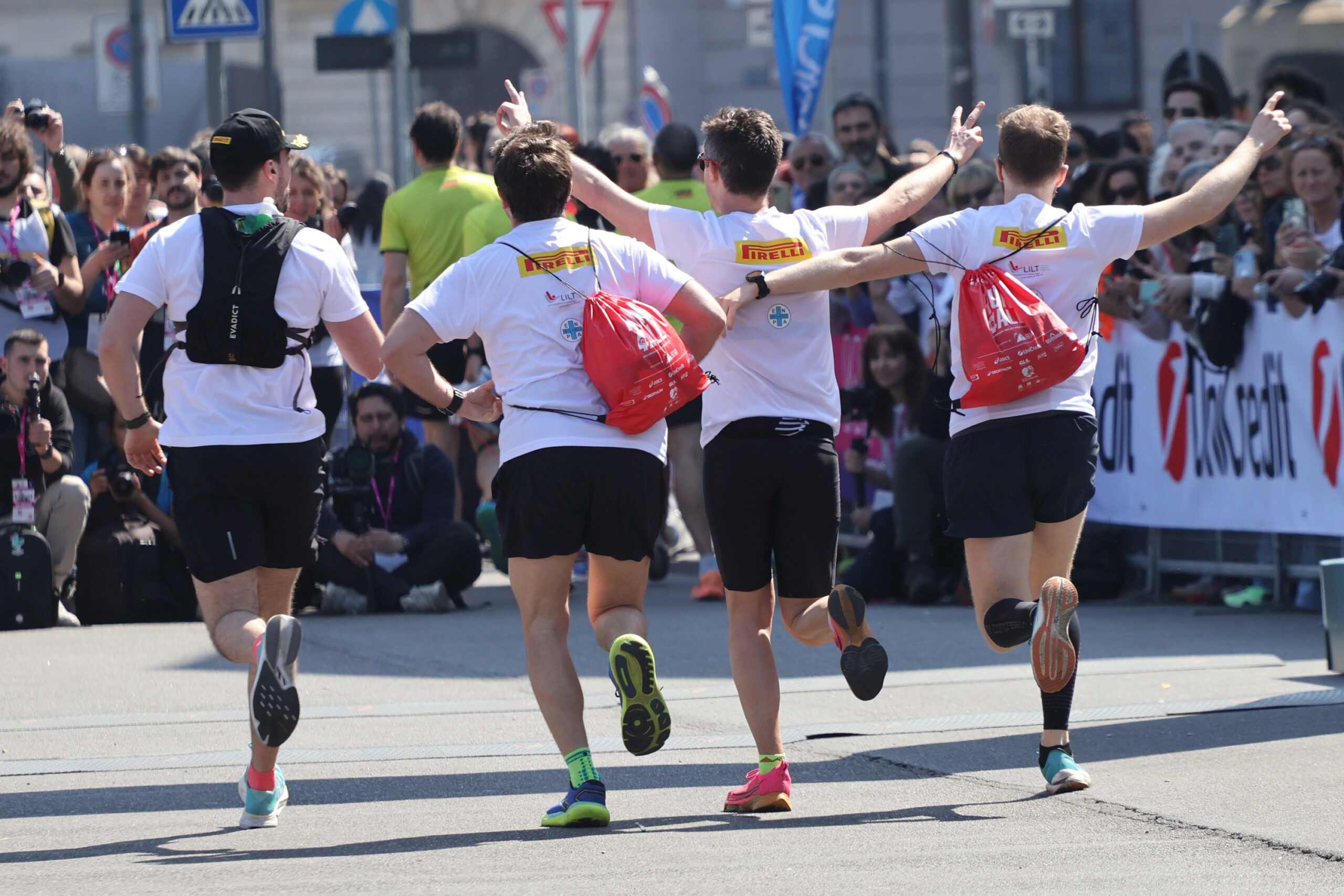
This relational dimension is central to the concept of social wellbeing, considered an integral part of the quality of working life. Engagement initiatives also include collective sports activities, such as the summer beach volleyball tournament, which is highly popular and experienced as an informal moment of social interaction, even outside working hours. Another meaningful experience is participation in the Milan Marathon. Employees involved organize themselves into teams and run the relay race in support of non-profit projects, combining physical activity, team building, and social engagement. In the months leading up to the race, a weekly lunchtime training program is also offered, becoming another opportunity for shared experience.
Finally, collective catering is also considered part of overall wellbeing. Dedicated spaces—from the company restaurant to the internal bistro—are designed as places of care, conviviality, and quality. It is possible to pre-order meals or products to take home, reducing the organizational burden of daily life. In the same company spaces, also with the aim of reducing personal logistical load, there is an “office concierge service” available to employees, through which they can access laundry, tailoring, and shoe repair services, as well as receive personal parcels.
The physical wellbeing dimension is also closely intertwined with health and safety, understood not only as protection from risk but also as active prevention. In this area, several welfare measures aim to make access to healthcare simpler and more immediate. One key tool is the company healthcare fund, which employees can join with a minimal contribution from their salary, complemented by a larger contribution from the company. The fund covers a wide range of healthcare services and also extends to dependents. A relevant aspect is the speed of reimbursements, which are processed very quickly, making the scheme highly accessible. Alongside the healthcare fund, there is a network of agreements with medical practices and specialist facilities designed to facilitate access to care. The most significant initiative is undoubtedly the presence, within main sites, of a fully fledged multi-specialist outpatient clinic.
At the Milan headquarters, a former infirmary has been converted into a structured healthcare and multi-specialist facility, accessible both to the approximately 1,800 people working at the Bicocca site and to the 200 employees of the nearby Bollate plant. During central hours of the day, a physician is always present, and numerous outpatient rooms host specialists who can be booked and accessed free of charge. Medical visits are available several times a week, without the need for a prescription, through the internal booking system alone. The Pirelli Specialist Outpatient Clinic also allows daily laboratory tests, such as blood and urine analyses, as well as preventive health checks. These include, for example, reproductive and sexual health services such as Pap tests, ensured by the presence of gynecology specialists.
Some clinics are equipped with ultrasound technology, used, for instance, for cardiology check-ups. These services are complemented by regular awareness campaigns on health prevention and nutrition. Overall, these measures outline an understanding of health that is not limited to emergency care or symptom treatment, but instead focuses on continuity, accessibility, and prevention, integrating health into everyday working life.