
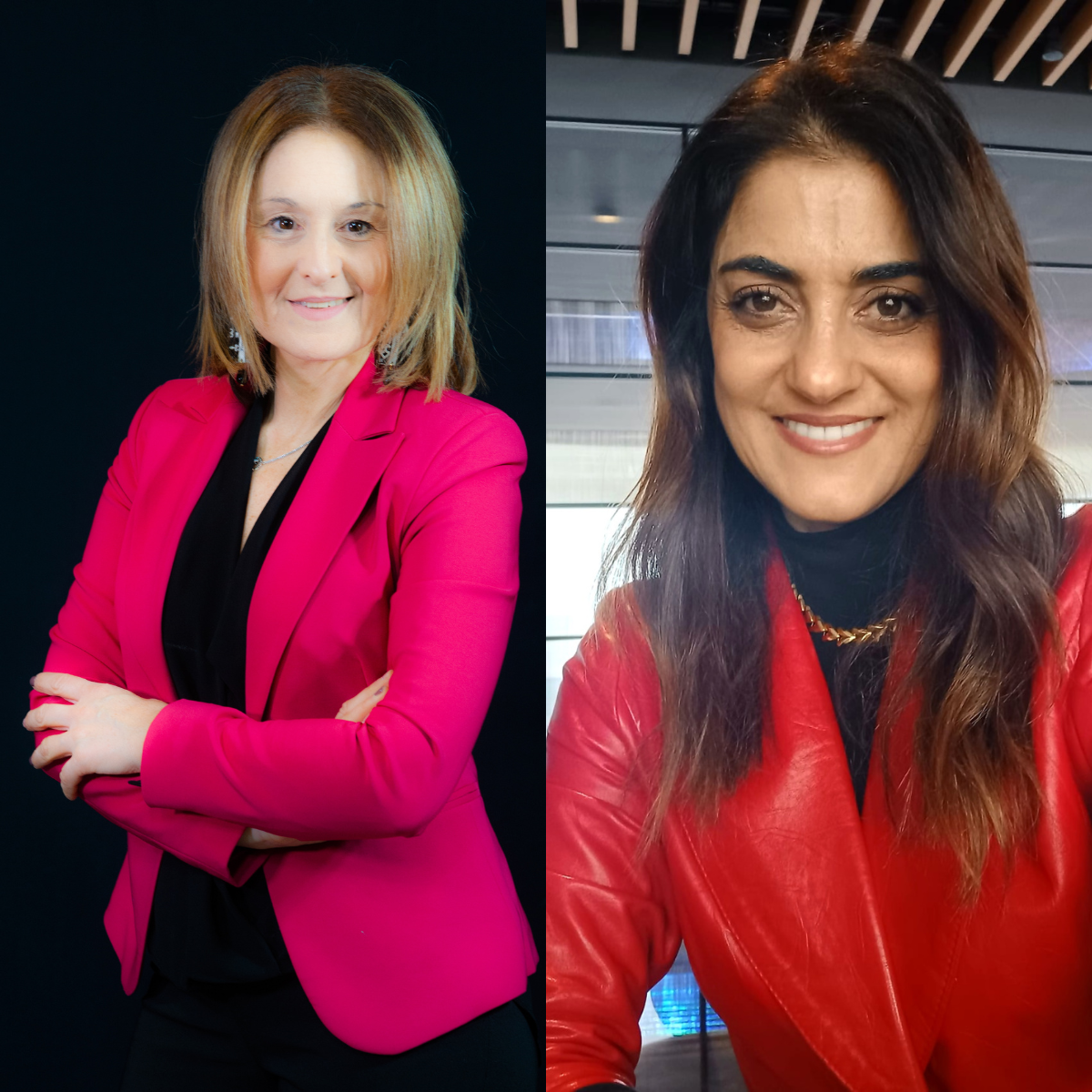
Talking about neurodiversity at Autostrade per l'Italia means reflecting on the quality of workplace environments
In Autostrade per l'Italia, the topic of neurodiversity is part of a broader vision of well-being and mental health, understood as an organizational responsibility rather than an exclusively individual dimension. In this framework, psychological safety becomes the central link connecting inclusion, sustainable performance, and quality of working life, turning values and principles into everyday behaviors and concrete actions.
Building an inclusive culture: training and awareness
Promoting inclusion and respect first of all means developing widespread skills. For this reason, Autostrade per l’Italia invests in training programs and awareness initiatives addressed to the entire workforce, with the aim of encouraging inclusive behaviors and creating environments in which every person can express their potential.
Particular attention is dedicated to managers, who are involved in programs focused on developing psychological safety: a key lever for building effective teams in which people feel free to contribute, share ideas, and face challenges without fear of judgment.
DSA and work: recognizing differences to value talent
Specific learning disorders (DSA) also represent a relevant dimension in the professional context. In the absence of adequate organizational conditions, barriers may emerge that affect both performance and individual well-being.
Aware of this challenge, Autostrade per l’Italia has taken concrete action by joining in 2022 the DSA Progress for Work project promoted by the Italian Dyslexia Association, with the aim of increasing internal awareness and integrating inclusive practices into company processes. This commitment has translated into a revision of key HR processes (from recruitment to development, training, and people management) oriented toward bias-free approaches and the adoption of compensatory tools and inclusive operational strategies.
This path has led to the achievement of the Dyslexia Friendly certification, positioning Autostrade per l’Italia among the pioneers in the concrete implementation of innovative methodologies, also validated through simulations involving HR teams and candidates with DSA.
Evidence is clear: environments supported by appropriate tools (such as text-to-speech systems, high-legibility fonts, and digital supports) increase feelings of safety and enable people with DSA to fully express their distinctive skills.
An ongoing cultural transformation
The journey undertaken represents a cultural evolution aimed at removing even the less visible barriers. In this direction, the company develops training content and operational tools, including HR guidelines created in collaboration with the Italian Dyslexia Association to concretely support the management of diverse needs in the workplace. The approach is practical: inclusion is built every day through process adaptation, active listening to individual needs, and the adoption of flexible and personalized solutions.
Why neurodiversity matters in the workplace
Neurodiversity refers to the natural variability of human neurological and cognitive functioning: it concerns everyone, not a minority. It is estimated that neurodivergence involves around 15–20% of the global population—over one billion people; in Italy, between 9 and 12 million people (including over 4 million active in the workforce) and tens of thousands of young people entering the job market every year.
The concepts of neurodiversity and neurodivergence offer a clear perspective: this variability is not only natural but desirable. Just like biodiversity in nature, diversity in cognitive functioning is a key resource for evolution and progress. Talking about neurodivergence in the workplace is therefore not only about inclusion or specific categories, but about rethinking how we design environments, processes, and organizational cultures in relation to real human variability, including neurocognitive diversity.
To embrace this richness, the necessary shift is above all cultural. The focus must move from “what a person needs to adapt” to “what the context can do to become more readable, flexible, and accessible for that person.” This is the principle of Universal Design, or Design for All.
From this perspective, Autostrade per l’Italia’s journey develops across multiple fronts with a common goal: creating a context capable of embracing variability and legitimizing each person’s ability to “be themselves.” This is demonstrated by the Dyslexia Friendly Company recognition process, which led to a concrete reflection on how accessible environments, tools, and practices are for people who read, learn, and process information differently. In the same direction goes the improvement project on document readability through a Design for All approach: a concrete example of how starting from specific needs can improve the experience for everyone.
Initiatives such as the “Viaggio del Rispetto” further bring psychological safety and inclusion to the center, integrating the Design for All approach and the theme of neurodivergence. Because there is no real inclusion if people do not feel free to express themselves, ask questions, or seek support—in other words, if they do not feel safe.
Today, these steps are taking shape increasingly clearly at cultural, regulatory, educational, and organizational levels, with signals such as legislation protecting people with DSA in the workplace and the European Accessibility Act, which introduces digital accessibility requirements for products and services.
Perhaps the moment we will know we have reached the summit is when we no longer need to talk about inclusion as a separate topic, because it will have become the standard way of designing environments and recognizing human variability. For Autostrade per l’Italia, this means taking on a daily responsibility: designing processes, developing skills, and supporting leadership in building environments where every person can fully contribute, without visible or invisible barriers. Because it is precisely in the valorization of differences—including neurological ones—that shared value is generated: lasting well-being and sustainable performance over time.