
Fondazione EOS and the AI challenge: educating on technology to avoid creating inequalities
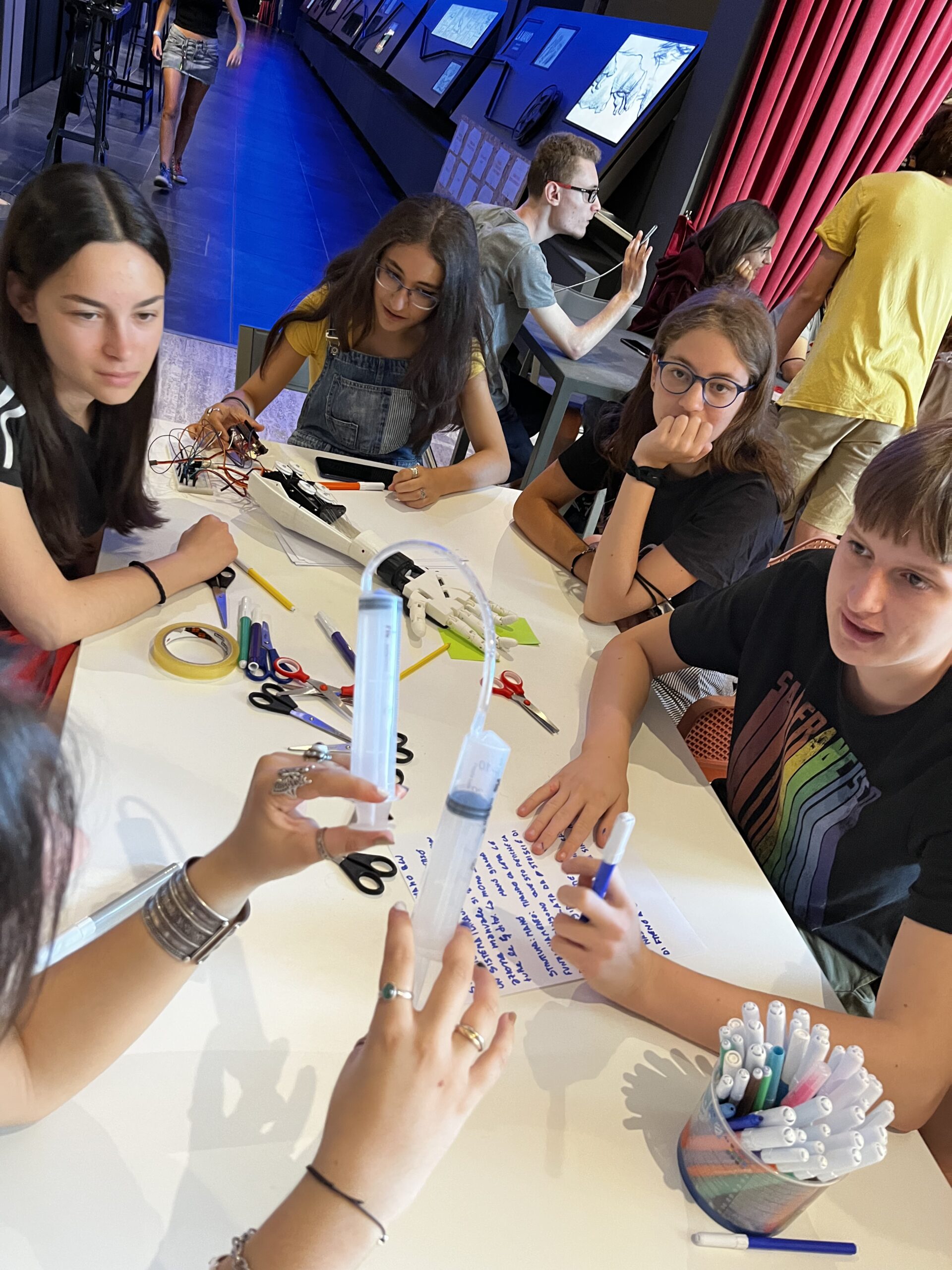
The Good Vibes project represented the first laboratory for this vision. A three-year program, concluded last year, aimed at adolescents and designed to combat educational poverty through a creative and inclusive approach to STEM disciplines. The goal was not to train technicians or specialists, but to use technology as an expressive tool, capable of stimulating critical thinking, creativity, and self-awareness. Smartphones, free apps, and accessible digital tools thus became means to tell stories, share needs, build relationships, and strengthen a sense of belonging. Good Vibes worked closely with schools, families, local institutions, and Third Sector organizations, contributing to the creation of an educational ecosystem able to respond to the needs of young people. Art, culture, sports, and emotional expression were the preferred contexts of experimentation, where the blend of creativity and scientific-technological inquiry made learning more accessible and engaging.
The outcome was a path that transformed technological knowledge into a catalyst for social growth. “When a young person realizes they can use technology to tell their story or imagine their future, they are no longer a spectator of change: they become part of it,” says Magliulo. “And this, in the long term, means more open and innovative communities.”
The experience gained with Good Vibes led Fondazione EOS and The FabLab to explore a new frontier: artificial intelligence. If not properly guided, AI risks further widening the social gap between those with conscious access to technology and those left behind. Hence the decision to launch a new three-year project. The underlying idea remains consistent with the previous experience: not to teach technology in a specialist way, but to place it at the service of personal expression, creativity, and critical thinking.
The first phase of the project involves interviews, workshops, and participatory activities with adolescents to understand their curiosity, fears, expectations, and expressive needs related to AI. A co-design model that emerges from listening to the young people themselves. The ultimate goal will be the creation of expressive products developed with AI support, capable of conveying identity, aspirations, and visions of the future. “The project’s very name – Good Vibes – suggests that the key lies in tuning in,” explains Giulia De Martini, CEO of The FabLab. “If the web opened us to the democracy of knowledge, AI is leading us toward the democracy of competence. It is a tool that does not merely inform us, but acts with us. That is why it is vital for young people to learn to resonate with this new technology: only by caring for this relationship can we generate value.”
This initiative is particularly relevant at a time when schools, despite some signs of attention, still struggle to respond rapidly to ongoing technological transformations. Foundations, Third Sector entities, public administrations, and companies can therefore play a decisive role in creating informal and inclusive learning environments. Fondazione EOS moves precisely in this direction: creating educational spaces where technology is not only technical skill, but an opportunity for personal growth, participation, and active citizenship. An approach that sees AI not as an end, but as a tool for developing awareness, creativity, and critical thinking.